
The Legacy Perspective - January 2026
by Steve Wachs, CFP®
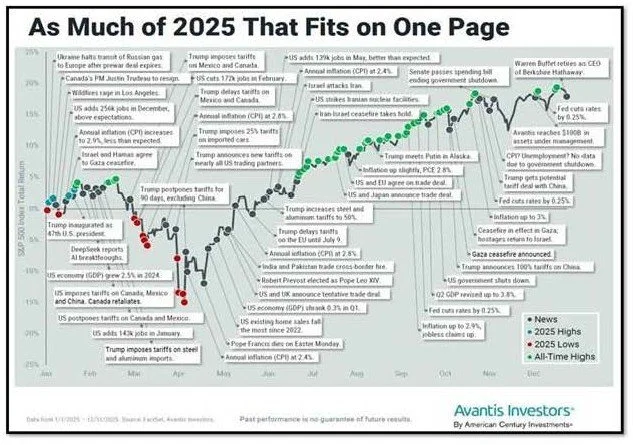
As a new year begins, financial pundits reflect on the previous year and offer predictions for the new one. If we were to play that game, we would show you the following chart entitled “As Much of 2025 That Fits on One Page.” It shows the S&P 500 Index hitting new highs after an almost 20% decline earlier in the year – something we suggested in January 2025 that might occur. My favorite part of this chart are all the words that are difficult to read that highlight events that happened last year. 2026 started with a literal “bang” in Venezuela and will include the Supreme Court ruling on tariffs, a new Federal Reserve chairman, mid-term elections, and numerous other things.
The phrase “we live in interesting times” comes to mind. We could offer our predictions on how these events will impact the financial markets, but it would be a “nice work of fiction” which is a phase a client once used to describe our musings on the future. What we will continue to do is capture gains throughout the year as different investments appreciate to make sure your planned distributions are protected from downturns and your portfolio mix remains consistent with your risk profile.
Those actions may sound like something you have heard from us before – yes, you have. They may even sound boring. We are “OK” with boring as portfolio management is not meant to be entertaining. However, we are going to try to entertain you by using sketches to communicate how we may add value. We need to give credit for these sketches to Carl Richards, a financial planner and author of the book, Your Money, Reimagining Wealth in 101 Simple Sketches.
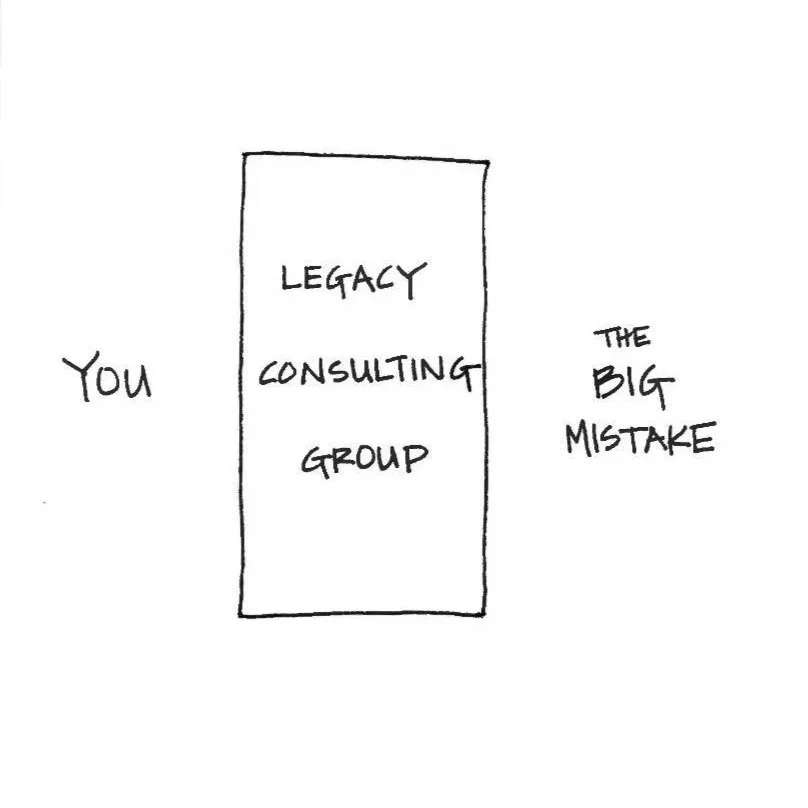
One of the most important things we have done for clients over the past three decades is to help them avoid “The Big Mistake.” We all make investment mistakes. Buying the wrong stock or ETF (Exchange Traded Fund), not buying a stock when the opportunity presented itself (ask me about interviewing the largest shareholder of Amazon in 2001 and not purchasing shares), or holding shares of an investment “until it got back to what I paid for it.” Little mistakes have small consequences. Big mistakes can put your financial goals at risk. These mistakes are typically driven by fear. Selling equities after significant declines have taken place to “stop the bleeding” may seem prudent or even rational at the time but have most always resulted in less long-term wealth being created. It is our role to not let your emotions dictate investment action.
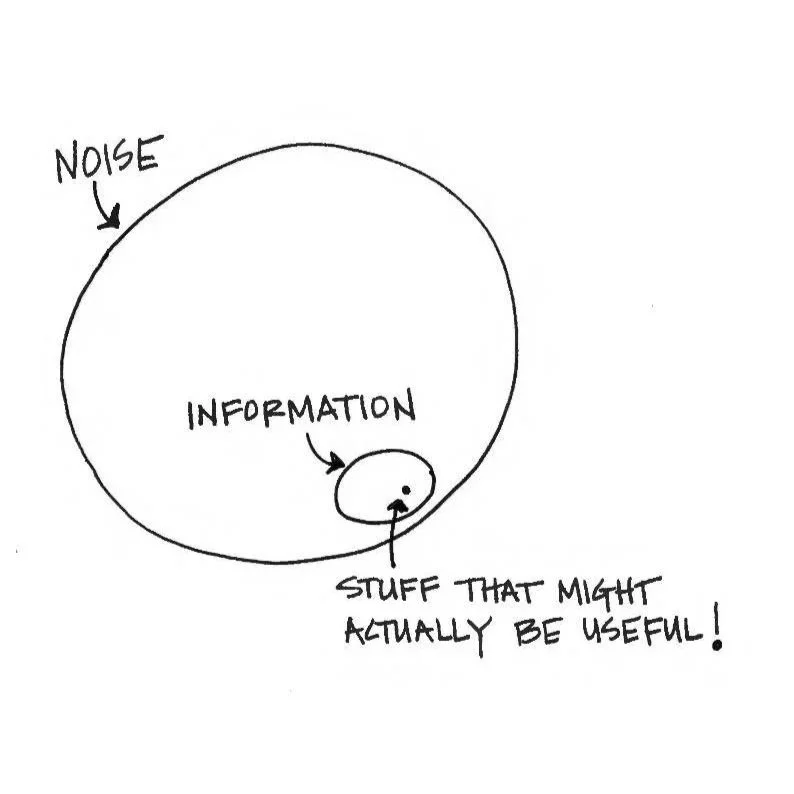
Mainstream media is ever present and trying to get your attention in sometimes dramatic and entertaining ways. The conference and earnings calls that we listen to from various investment managers, economic strategists, and corporate CEOs are anything but entertaining, but they do contain some pieces of information that might be useful as we construct portfolios. One example was the beginning of last year we sifted through what we read and heard and concluded to increase our allocation to international equities which ultimately outperformed their US counterparts.
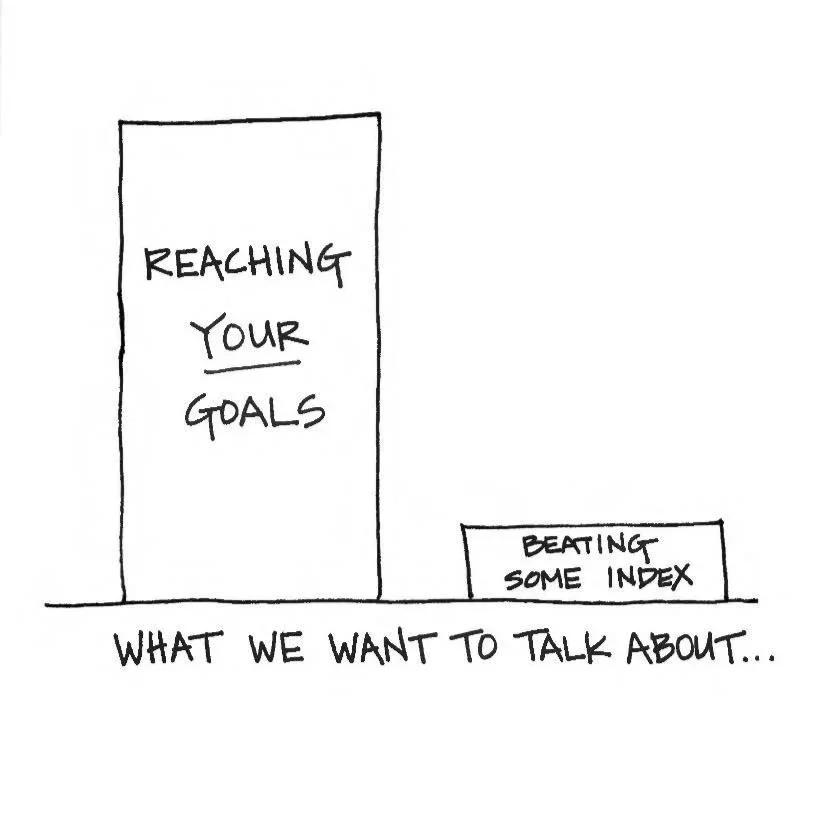
As part of our due diligence process, we analyze how the different investment strategies we employ do in comparison to their peers and respective indices. However, the commitment of the investment team at Legacy is to create and manage an investment portfolio that gives you the best opportunity to accomplish your long-term goals. If that is accomplished, we believe we have done our job no matter how your portfolio returns compared to an index.
We hope these sketches give you a reminder of both what we do and what we think is important. As always, please reach out if you have any questions or we can be of service.
Disclosures
Legacy Consulting Group is registered as an investment adviser with the SEC and only conducts business in states where it is properly registered or is excluded from registration requirements. Registration is not an endorsement of the firm by securities regulators and does not mean the adviser has achieved a specific level of skill or ability.
Information presented is believed to be current. It should not be viewed as personalized investment advice. All expressions of opinion reflect the judgment of the authors on the date of publication and may change in response to market conditions. You should consult with a professional advisor before implementing any strategies discussed.
All investments and strategies have the potential for profit or loss. Different types of investments involve higher and lower levels of risk. There is no guarantee that a specific investment or strategy will be suitable or profitable for an investor’s portfolio. There are no assurances that an investor’s portfolio will match or exceed any particular benchmark.